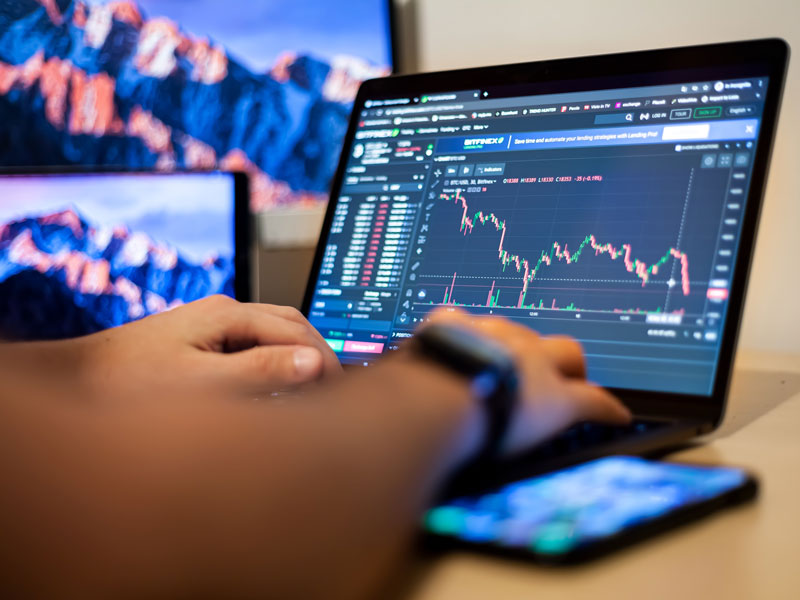
Understanding Forex Trading Sessions and Time Zones
Forex trading is a complex and dynamic market that operates 24 hours a day, five days a week. Understanding the different trading sessions and their respective time zones is crucial for traders who want to maximize their opportunities in the market. In this article, we will explore the major Forex trading sessions, their characteristics, and how you can use this knowledge to enhance your trading strategy. For more detailed information and resources, you can visit forex trading sessions time zones trading-vietnam.com.
What Are Forex Trading Sessions?
Forex trading sessions are periods during which specific financial markets are open for trading. The Forex market is divided into three primary trading sessions: the Asia session, the European session, and the North American session. Each of these sessions has unique characteristics, including market volatility and liquidity, which can significantly impact trading strategies.
The Three Major Forex Trading Sessions
1. Asian Session
The Asian trading session, also known as the Tokyo session, is the first major session to open. It typically starts at 11 PM GMT and ends at 8 AM GMT. This session is characterized by lower trading volumes compared to the European and North American sessions. Major currency pairs traded during this time include AUD/USD, USD/JPY, and NZD/USD. The Asian session can be particularly volatile during major news releases from Japan and other major Asian economies.

2. European Session
The European trading session, which begins at 7 AM GMT and ends at 4 PM GMT, is the most active trading period in the Forex market. This session overlaps with both the Asian and North American sessions, leading to increased volatility and trading volumes. The European session is significant for major currency pairs such as EUR/USD, GBP/USD, and USD/CHF. News releases from the Eurozone and the U.K. can cause substantial price movements during this session.
3. North American Session
Finally, the North American session opens at 1 PM GMT and closes at 10 PM GMT. This session primarily focuses on the U.S. market. Trading volume tends to be high, particularly during the overlap with the European session from 1 PM to 4 PM GMT. Major currency pairs like USD/CAD, USD/JPY, and GBP/USD are actively traded during this time. Economic releases such as the Non-Farm Payrolls, GDP, and inflation data from the U.S. can lead to significant price changes.
Understanding Time Zones in Forex Trading
Since the Forex market operates across various countries with different time zones, understanding how time zones interact with trading sessions is crucial for traders worldwide. The global Forex market is structured in a way that, as one trading session ends, another begins. This continuous cycle creates opportunities for traders to buy and sell currencies at any time of day or night.
Importance of Knowing Trading Hours

Knowing when different Forex sessions occur can help traders determine the best times to enter or exit trades. Here are some reasons why understanding trading hours is essential:
- Maximizing Opportunities: Each trading session has times of increased volatility due to economic news releases. Traders can capitalize on these price movements for potential profit.
- Market Liquidity: More liquidity means better pricing and less slippage. Knowing when the major markets are open allows traders to trade without major difficulties.
- Avoiding Low-Volume Periods: Trading during low-volume periods can lead to poor execution and wider spreads, making it essential to trade during peak hours.
How to Optimize Your Trading Strategy with Forex Sessions
Here are some tips for optimizing your trading strategy based on Forex sessions:
- Identify Active Currency Pairs: Determine which currency pairs are more active during certain sessions and focus your trading around them.
- Utilize Session Overlaps: During the overlaps between trading sessions, such as the Asian-European overlap, market volatility typically increases. This is an ideal time to trade.
- Align Your Trading Strategy: Structure your trading strategy around news releases and events during specific sessions to make informed decisions.
Conclusion
Understanding Forex trading sessions and time zones is vital for any trader looking to succeed in the Forex market. Different sessions provide unique opportunities, and knowing when to trade can make a significant difference in your trading results. By taking into account market volatility and liquidity patterns, you can develop effective trading strategies that align with the times when major markets are active. With the knowledge provided in this article, you are now better equipped to navigate the Forex trading landscape and make informed investment decisions.